As tempting as going solar may be, the question remains: can you actually afford to do so? With UK energy bills climbing higher each year, that question matters more than ever. The good news is that buying vs leasing solar panels gives you a genuine choice in how you fund renewable energy for your home.
Both routes cut your reliance on the grid and protect you from future price hikes, but they differ sharply when it comes to upfront cost, system ownership, and what you’ll save over time. The right option depends entirely on your financial goals, how long you plan to stay in your property, and whether you qualify for certain payment structures.
That’s where comparing tailored quotes from accredited installers makes all the difference. Let’s take a closer look.
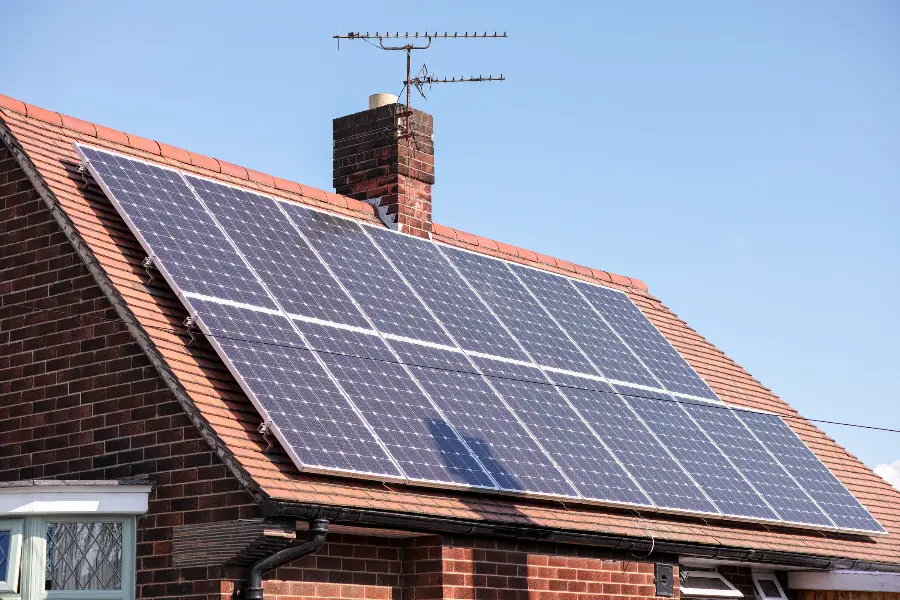
Buying solar panels outright means you pay the full installation cost upfront and own the system from day one. For most UK homes, the cost of solar panels typically ranges between £5,000 and £11,000, depending on system size, panel quality, and roof complexity. Once installed, the system is entirely yours, which opens the door to a range of financial and practical benefits that subscription models simply can’t match.
When you own your panels, you’re eligible to receive Smart Export Guarantee (SEG) payments for surplus energy sent back to the grid [1]. These payments add up over time and help offset your initial investment. Most systems pay for themselves within 10 to 15 years, after which every kilowatt-hour you generate is pure savings. Over a 25-year lifespan, ownership delivers the highest lifetime returns, making a strong case against solar panel rental vs ownership.
Key advantages include:
That said, buying vs leasing solar panels does require a significant upfront commitment. You’ll also be responsible for maintenance once manufacturer warranties expire, though modern systems are built to last with minimal intervention. This route suits homeowners with available capital or long-term plans to remain in their property, where the payback period works firmly in their favour.
A solar subscription flips the traditional model on its head. Instead of buying the system, you pay monthly for solar panels installed and owned by a third-party provider. There’s little to no upfront cost, making it one of the most accessible ways to access renewable energy if capital is tight. The provider handles installation, owns the equipment, and typically covers maintenance and repairs throughout the contract term.
For households wondering if a solar subscription is worth it, the appeal lies in predictable budgeting. You know exactly what you’ll pay each month, and if something goes wrong with the system, it’s the provider’s problem to fix, not yours. This model works particularly well for renters with landlord approval, buyers in starter homes, or anyone prioritising flexibility over long-term ownership.
Key features of subscription models include:
However, buying vs leasing solar panels becomes less straightforward when you consider the trade-offs. Because you don’t own the system, you’re unlikely to benefit from SEG payments, meaning you miss out on income from surplus generation.
The total cost over 20 or 25 years often exceeds what you’d pay to buy the system outright, particularly once you factor in annual price increases tied to inflation. Contract length and exit fees can also restrict your options if your circumstances change or you decide to move. That said, if you’re someone who values the flexibility to pay monthly for solar panels without the burden of ownership, a subscription may feel like the right fit in the short to medium term.
When weighing up the cost of solar panels under different payment models, the difference between immediate affordability and lifetime value becomes critical. A subscription might cost you £50 to £80 per month with no upfront fee, which feels manageable on a monthly budget. But over 20 years, you could end up paying £12,000 to £19,000 or more for a system you’ll never own.
Compare that to buying outright, where your upfront investment of £7,000 to £10,000 typically breaks even within 10 to 15 years, leaving you with a decade or more of free electricity generation.
Both options reduce your reliance on grid electricity, but the long-term savings tilt heavily in favour of ownership. A purchased system continues to deliver value well beyond its payback period, whereas subscription payments never stop. When comparing solar panel subscription vs purchase options, this dynamic is worth considering carefully if you’re planning to stay in your home for the foreseeable future.
Buying vs leasing solar panels ultimately comes down to whether you prioritise lower monthly outgoings now or significantly higher savings over the system’s lifetime. If your goal is to maximise financial return and you have the capital available, ownership is the clearer winner.
Not everyone qualifies for every solar panel finance option, and understanding where you stand helps narrow your choices quickly. Subscription models often require a credit check, as providers need confidence you’ll meet monthly payments over a multi-year contract.
Homeownership is typically essential for both routes, along with a suitable roof that faces south, east, or west with minimal shading. If you’re planning to move within the next five years, a subscription might offer more flexibility, though you’ll need to check contract terms around early exit fees or system removal.
Your appetite for upfront investment versus manageable monthly payments also plays a deciding role. Some households prefer to keep capital reserves intact, even if it costs more over time. Others see solar panel finance options as an opportunity to invest now and reap long-term rewards through ownership.
Neither approach is wrong, but aligning your choice with your broader financial strategy ensures the decision supports your goals rather than complicates them. After all, context is everything when it comes to funding renewable energy.
Choosing between buying vs leasing solar panels isn’t about finding a universal answer. It’s about matching the right payment structure to your financial situation, property plans, and energy goals. Ownership delivers unmatched lifetime savings and export payments but requires upfront capital. Conversely, subscriptions lower the barrier to entry but cost more over time without ever being truly yours.
That’s why comparing solar quotes from accredited installers matters. At Go Solar Compare, we connect you with MCS-certified professionals who break down real costs and help you find the most cost-effective route for your home. Our service is free and impartial. Use our simple, convenient online form to request tailored quotes and explore finance options that work for your household.
[1] https://www.ofgem.gov.uk/environmental-and-social-schemes/smart-export-guarantee-seg


2026 © Go Solar Compare