Go Solar Compare
Go Solar Compare
  • Fill out our simple form
  • Receive quotes from suitable companies
  • Choose the best quote for you
21 November 2025

Smart Export Guarantee (SEG) Explained: How to Earn Revenue by Exporting Solar Electricity in the UK

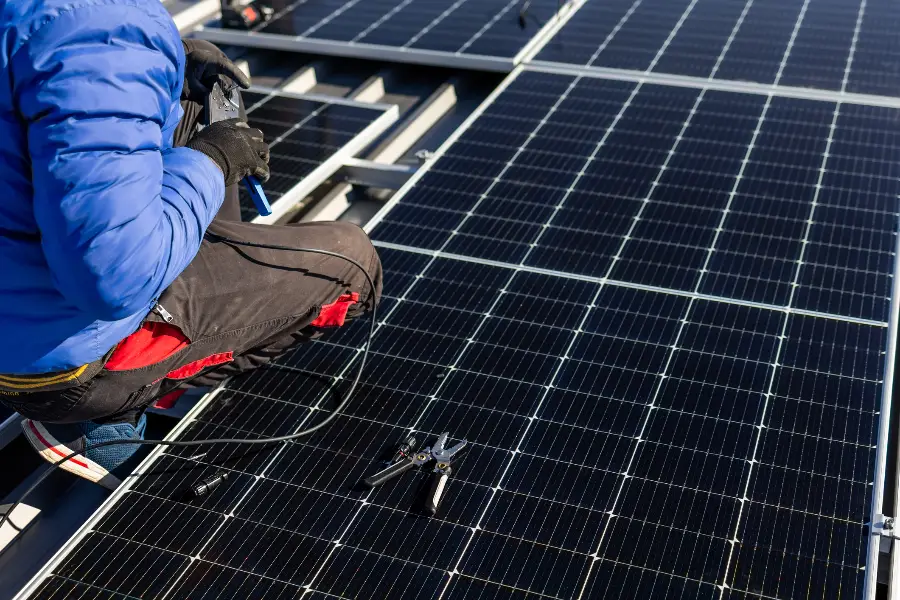
installing solar panels

In recent years, solar power has become an increasingly popular choice for homeowners and businesses looking to cut energy costs and embrace sustainable practices. The Smart Export Guarantee (SEG) is a government-backed scheme that allows solar panel owners to earn revenue by exporting excess electricity back to the national grid. With rising energy bills and growing interest in renewable energy, understanding the SEG can help you make the most of your solar energy investment in 2025 and beyond. In this blog, we will break down how the SEG works, how much you can earn, and how to compare SEG tariffs to secure the best rates.

What Is the Smart Export Guarantee?

The Smart Export Guarantee (SEG) is a UK government scheme introduced in January 2020 to replace the previous Feed-in Tariff (FIT). Under the SEG, homeowners, businesses, and other solar panel owners can receive payments for the excess electricity their solar panels generate and export to the national grid.

Unlike the Feed-in Tariff, which offered fixed rates for both the energy produced and exported, the SEG only pays for the electricity exported to the grid. The scheme aims to encourage more people to install solar power systems by providing an additional revenue stream, helping to offset installation costs and contribute to the UK’s renewable energy goals.

The SEG is available to any household or business with a solar PV installation and a smart meter. By exporting surplus solar energy, participants not only earn money but also help reduce the UK’s reliance on non-renewable energy sources, supporting the shift to a greener, more sustainable future.

How Does the SEG Work for UK Homeowners?

Once your solar panels are installed and connected to the grid, any electricity your system generates that is not used in your building can be sold to the grid. This is where the SEG comes in – solar energy export is tracked and paid based on how much surplus electricity is sent to the grid.

To receive SEG payments, you need a smart meter that records the amount of energy exported. These meters can automatically report your energy exports, ensuring that you receive accurate payments based on the actual amount of electricity you send back to the grid.

Payments are typically calculated based on the number of kilowatt-hours (kWh) exported, and different SEG providers offer varying rates, so it’s important to compare offers. You will receive a payment for every unit of electricity that leaves your property, typically on a monthly or quarterly basis, depending on the supplier’s terms.

How to Earn Revenue from Solar Electricity

The amount of money you can earn from exporting solar electricity varies depending on several factors, including your energy usage, the size of your solar system, and the tariff rates offered by your SEG provider.

  • How Payments Are Calculated: The SEG payment is typically based on the amount of surplus electricity exported, measured in kilowatt-hours (kWh). For example, if you export 100 kWh and your SEG tariff rate is 4p per kWh, you would earn £4 for that period.
  • Average Earning Potential: On average, a typical household with a 4 kW solar panel system could earn between £100 and £400 per year from the SEG scheme. However, the actual amount depends on factors such as weather conditions, your energy consumption, and how much surplus energy you export.
  • Examples of Typical Returns: For a home that exports around 50% of its energy (approximately 1,500 kWh per year), the annual earnings from the SEG could be in the region of £60 to £150, depending on the SEG tariff. Larger systems or higher export rates could see these figures rise substantially.
  • Metering and Submission Requirements: To ensure you’re paid accurately, your energy supplier will need to measure how much electricity is being exported, and you may be asked to submit readings or allow the supplier to access your smart meter data remotely.

SEG Eligibility Requirements

Before you can apply for the SEG, you must meet a few essential requirements:

  • Smart Meter: A smart meter is mandatory for monitoring the amount of electricity you export. These meters track energy usage in real time and allow for automatic reporting to your SEG provider.
  • Solar PV Installation Certification (MCS): Your solar panels must be certified under the Microgeneration Certification Scheme (MCS). This certification ensures that your system meets industry standards and is eligible for SEG payments.
  • UK Energy Supplier Offering SEG Tariffs: Not all energy suppliers offer SEG tariffs. You must sign up with an energy provider that participates in the scheme.
  • Grid Connection Approval: Your solar panel system must be connected to the grid, and the connection must be approved by your local distribution network operator.

Comparing SEG Tariffs Across UK Suppliers

When choosing an SEG provider, it’s crucial to compare the rates and terms offered by different energy suppliers. Rates can vary depending on the supplier, and there may be both fixed and variable tariff options.

  • Why Rates Vary: SEG rates differ because energy suppliers have their own pricing structures, and market conditions can influence the amount they are willing to pay for exported energy.
  • Fixed vs. Variable Rates: Fixed rates offer predictability, while variable rates may fluctuate depending on the market price of energy. It’s important to carefully consider which option best suits your needs.

For a more comprehensive comparison of SEG tariffs, visit Go Solar Compare, where you can find up-to-date information on the best SEG deals available.

Benefits of the Smart Export Guarantee

The SEG offers numerous advantages for homeowners and businesses looking to maximise the financial benefits of solar power:

  • Extra Income for Homeowners: By exporting surplus energy, you can generate an additional income stream, helping to offset installation costs and potentially improve the financial returns of your solar panel system.
  • Faster ROI on Solar Panels: With SEG payments, you can reduce the payback period on your solar panels, making the system more affordable over time.
  • Improved Energy Independence: By generating and exporting your own energy, you reduce your reliance on traditional energy suppliers, increasing your energy independence.
  • Encourages Renewable Generation: The SEG incentivises renewable energy generation, contributing to a cleaner, greener UK and helping the country meet its sustainability targets.

How to Apply for the SEG

Applying for the SEG is a straightforward process. Follow these steps to start earning revenue from your solar energy:

  • Check Installation Eligibility: Ensure your solar PV system is certified and meets the required standards.
  • Choose an SEG Provider: Select an energy supplier offering SEG tariffs.
  • Submit Application and Proof: Submit your application, including proof of your solar system installation and smart meter.
  • Start Exporting and Receiving Payments: Once your application is approved, begin exporting your excess energy and receive regular payments.

Want to compare the best SEG tariffs?

The Smart Export Guarantee offers an excellent opportunity for UK homeowners to earn additional income by exporting surplus solar electricity to the grid. By understanding how the SEG works, comparing tariffs, and meeting the eligibility criteria, you can maximise your revenue and speed up the return on investment for your solar panel system.

Visit Go Solar Compare, fill in the online form to find the top deals available and start earning revenue from your solar energy today!

Share this post

Request A Quote Today

All of our solar installers are accredited with:

Go Solar Compare

2026 © Go Solar Compare