
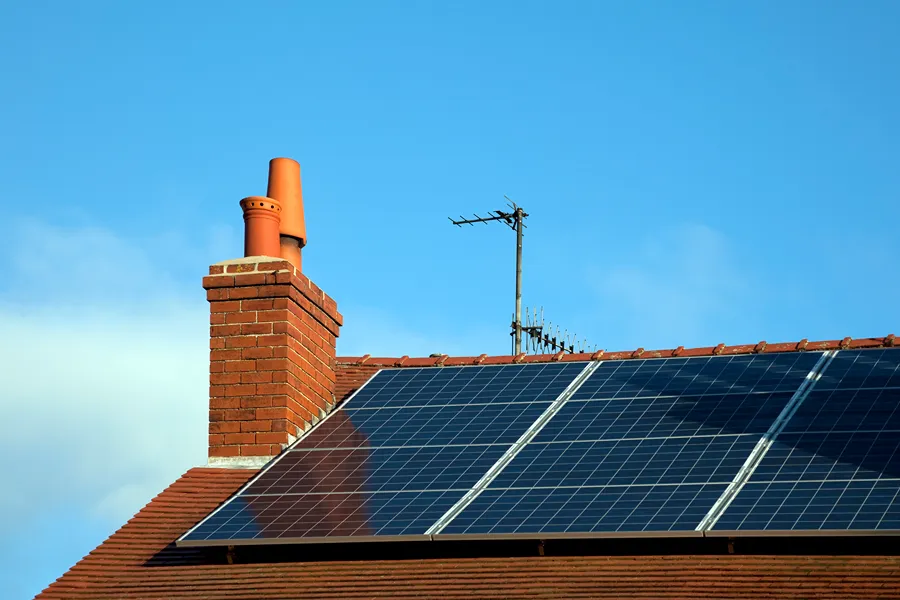
Rental properties are under increasing pressure to improve energy efficiency. Minimum EPC standards are tightening, tenants are increasingly aware of their energy bills, and landlords are being asked to future-proof their properties against regulation that is moving in only one direction.
Solar panels for landlords across the country have become part of that conversation, not as a quick fix, but as a genuine long-term option worth understanding properly. This guide walks through the financial and practical considerations, so you can weigh up whether solar makes sense for your rental portfolio.
Property investors are looking at solar more seriously than they were a few years ago, and the reasons are consistent across the market. Improving landlord energy efficiency is no longer just a compliance box to tick. It has become a genuine differentiator in a competitive rental market.
The main attractions include:
None of this means solar suits every property, but the underlying motivations are worth understanding before dismissing it as irrelevant to rental portfolios.
EPC rating improvement is one of the clearest, most measurable benefits solar panels for landlords can offer. A solar PV system reduces a property’s reliance on grid electricity, which directly and often significantly affects its energy efficiency score. For landlords managing older housing stock, where structural upgrades like insulation can be expensive or impractical, solar offers a comparatively straightforward way to move the needle.
This matters beyond the current rules. Minimum EPC standards for rental properties have already tightened once, and further changes remain a real possibility. Landlords who improve their ratings now are not just meeting today’s requirements. They are putting themselves in a stronger position if thresholds rise again, rather than facing a scramble to comply later.
Anyone considering solar for a rental property will eventually run into the split incentive problem. This describes a common tension in the private rented sector: landlords pay for the improvement, but tenants receive the day-to-day financial benefit through lower energy bills. It is one of the main reasons why uptake among landlords has historically lagged behind that of owner-occupiers.
There is no single fix, but there are ways to make the economics work more sensibly. Some landlords apply modest rent adjustments that reflect the property’s improved running costs, framed transparently rather than as a hidden increase. Others find that solar panels for renters translate into better tenant retention, since occupants are less inclined to move out of a property that is genuinely cheaper to live in. Marketing the property as energy-efficient from the outset can also widen the pool of interested tenants.
HMO solar installations bring a slightly different set of considerations, largely because energy use in these properties is shared rather than individually metered, as in a standard buy-to-let. That shared usage is actually where much of the opportunity lies.
Key benefits for HMO landlords include:
For portfolio landlords managing several HMOs, communal savings can add up in ways that single-let properties do not always match.
It is a fair question, and the honest answer is that dedicated grant schemes specifically for landlords are limited, though not entirely absent. Some local authorities and government-backed initiatives periodically offer support for renewable energy improvements, and it is worth checking what is currently available in your area before assuming there is nothing to access. Solar panel grants for landlords tend to come and go depending on regional funding priorities, so timing and location both play a part.
Beyond grants, the Smart Export Guarantee (SEG) is worth understanding regardless of eligibility for other support. It allows property owners to earn payments for electricity exported back to the grid, which can meaningfully offset the cost of a system over time, even without additional financial assistance.
The relationship between solar and rental yield is not always straightforward, largely due to the split-incentive problem discussed earlier. Tenants typically receive the direct benefit of lower energy bills, not the landlord. That said, the picture looks different when you consider the property’s broader financial position rather than just the monthly bill.
Solar panels for landlords can indirectly support rental yields by attracting environmentally conscious tenants, reducing turnover, and improving the asset’s underlying value. A property that already meets higher energy standards is also better placed to withstand future regulatory tightening without requiring urgent, costly retrofits. Improving landlord energy efficiency now can therefore be seen as protecting yield over the long term, even if the immediate bill savings sit with the tenant.
There is no single answer that applies to every portfolio, but a reasonably clear pattern does emerge. Solar panels for landlords tend to make the most sense for those with long-term rental properties, a genuine interest in improving EPC rating outcomes, and a portfolio large enough that the administrative effort of installation is worthwhile.
Before proceeding, it is worth properly assessing roof suitability, likely system costs, and how solar panel grants for landlords might apply to your specific properties and location. Solar will not suit every rental property, particularly short leaseholds or buildings with structural limitations, but for many landlords it represents a sensible way to stay ahead of regulation while making a property genuinely more attractive to tenants.
If you are weighing up whether solar makes sense for your rental portfolio, the next practical step is to see what installers can offer for your property. Go Solar Compare puts you in touch with accredited installers so you can compare quotes side by side, with no obligation and no sales pressure. Compare solar panel installers for your residential property and see what a solar installation could look like for your rental property.


2026 © Go Solar Compare